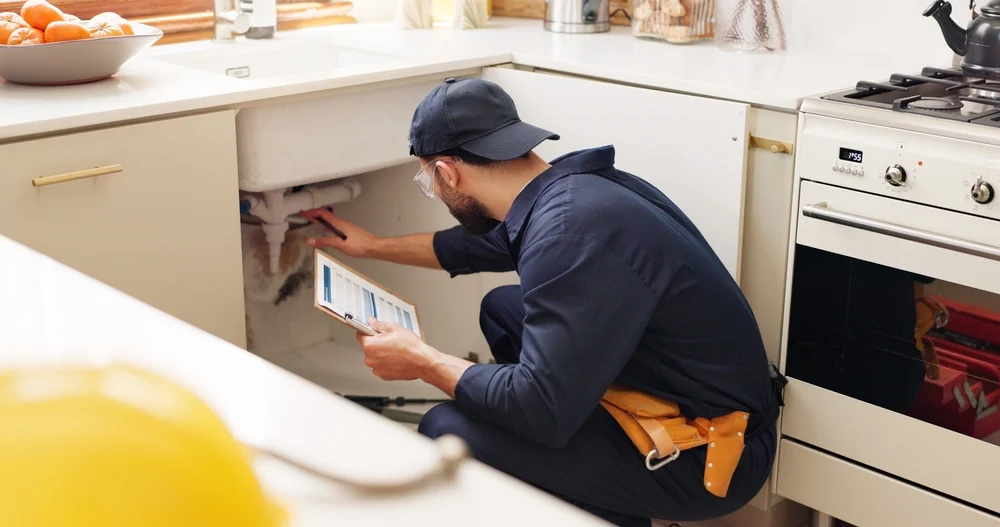
Owning a rental property means accepting that something will eventually need attention.
A faucet may start dripping. A tenant may notice a strange HVAC noise. A gutter may stop draining properly. A small ceiling stain may appear after heavy rain.
The problem is usually not that these things happen.
The bigger problem is waiting too long to deal with them.
For Baltimore landlords, good rental property maintenance is less about constantly spending money on repairs and more about knowing what deserves attention now, what can be scheduled later, and what should never be ignored.
A practical maintenance plan can help protect the property, reduce unnecessary disruption for tenants, and make ownership more predictable.
Maintenance Is Not Just About Fixing Things
Many landlords think about maintenance only after a tenant submits a repair request.
That is reactive maintenance:
Something breaks → tenant reports it → owner finds someone to fix it.
There is another approach:
Inspect → identify early warning signs → plan the work → prevent a larger problem.
That second approach does not mean every property needs expensive upgrades or constant inspections.
It means paying attention to the parts of a rental property that can become expensive when small issues are ignored.
Baltimore's property maintenance code places responsibility on owners and operators for maintaining structures and exterior property areas, while required equipment and systems must be maintained in good working order.
For a landlord, that makes maintenance both a property-protection issue and an important part of responsible rental management.
Start With the Areas That Can Cause the Most Damage
Not every maintenance item deserves the same level of attention.
A loose cabinet handle is different from a slow plumbing leak.
A scratched wall is different from a roof drainage problem.
A noisy bathroom fan is different from a heating system that stops working during cold weather.
A useful maintenance plan starts by identifying the systems where a small problem can quickly become expensive.
Keep an Eye on Water
Water is one of the biggest things landlords should watch.
Check areas such as:
- Under sinks
- Around toilets
- Near water heaters
- Around washing machines
- Basement areas
- Ceilings below bathrooms
- Windows and exterior doors
- Roof drains and gutters
- Downspouts
Baltimore's tenant-rights guidance specifically identifies properly functioning plumbing, roof drains, gutters, and downspouts as part of the owner's structural maintenance responsibilities.
A small water stain may not tell you exactly where the problem started.
That is why the goal should be to investigate the source rather than simply repaint the visible damage.

HVAC Maintenance Should Be Planned Before the Extreme Weather
Nobody wants a heating problem when temperatures drop.
And nobody wants an air-conditioning problem during a hot Baltimore summer.
Waiting until the system stops working is usually the worst time to start thinking about maintenance.
ENERGY STAR recommends professional pre-season HVAC checkups, with cooling systems checked in spring and heating systems checked in fall.
Air filters also deserve regular attention. ENERGY STAR recommends checking HVAC filters monthly and changing them as needed, with a minimum replacement interval of every three months depending on the system and conditions.
For landlords, the takeaway is simple:
Do not wait for the first extreme-weather complaint to think about HVAC maintenance.
Schedule the important work before the system is under maximum demand.
Baltimore's Heating Season Requires Planning
Heating is more than a comfort issue in a Baltimore rental.
Baltimore City requirements state that rental properties must have sufficient heat during the October 1 through April 30 heating period, including specified minimum temperatures in habitable rooms and other spaces.
That means landlords should not treat the first cold-weather tenant complaint as the beginning of their heating plan.
Before the heating season arrives, consider checking:
- Furnace or boiler operation
- Thermostats
- Heating controls
- Vents and registers
- Filters
- Pipes in vulnerable areas
- Doors and windows
- Signs of water or moisture around heating equipment
A scheduled seasonal check can give you time to address problems before they become urgent.
Don't Forget the Outside of the Property
Landlords often focus heavily on what happens inside the rental.
But exterior maintenance can protect the interior.
Look at:
- Gutters
- Downspouts
- Roof drainage
- Exterior doors
- Windows
- Steps
- Railings
- Decks
- Exterior walls
- Yard drainage
Baltimore's tenant-rights guide identifies roof drains and gutters, downspouts, windows and doors, stairways, decks, and other structural elements as areas owners are responsible for maintaining in proper condition.
This is particularly important after heavy rain, strong winds, or seasonal changes.
A gutter problem may look minor.
A drainage problem that repeatedly sends water toward the foundation is a different story.
Give Tenants an Easy Way to Report Problems
One of the simplest maintenance improvements a landlord can make is improving communication.
Tenants should know:
What should I report?
Who should I contact?
How should I report it?
What information should I provide?
A tenant who notices a small leak today may prevent a much larger repair tomorrow—but only if there is a simple way to report it.
Ask tenants to provide useful details such as:
- What happened?
- When did it start?
- Is it getting worse?
- Is water involved?
- Is there an unusual smell or sound?
- Is the problem affecting electricity, heat, or plumbing?
- Can they safely provide a photo?
Clear information can help the owner or property manager understand the situation before sending the appropriate person to the property.
Learn to Separate Emergency Repairs from Routine Work
Not every maintenance request requires the same response.
A broken cabinet hinge can usually be scheduled.
A major water leak should not wait until next week.
A landlord or property manager should have a clear process for identifying urgent problems.
Potentially urgent issues may include:
- Major water leaks
- Loss of required heat
- Serious electrical problems
- Significant plumbing failures
- Unsafe structural conditions
- Certain fire or life-safety issues
Routine issues may include:
- Minor cosmetic repairs
- Small hardware replacements
- Non-urgent appliance issues
- Touch-up painting
- Minor landscaping work
The exact response depends on the situation, property, lease, and applicable requirements.
The important thing is to avoid treating every request as either an emergency or something that can simply wait.
Smoke Detectors and Safety Equipment Should Never Become an Afterthought
Safety equipment deserves its own place in a maintenance plan.
Baltimore's fire code includes specific responsibilities regarding required smoke detectors, including landlord responsibilities for installation and, under specified circumstances, repair or replacement.
For landlords, this means safety equipment should be included in property inspections and turnover procedures rather than checked only after a tenant reports a problem.
When a tenant moves out, use the opportunity to review safety-related equipment and confirm that required devices are present and functioning as required.
Keep a Maintenance History for Every Property
Here is one simple habit that can make rental management much easier:
Write things down.
Instead of remembering that “the HVAC was checked sometime last year,” keep a record.
Your maintenance history can include:
| Item | What to Record |
|---|---|
| HVAC | Service date, issue, contractor, recommended follow-up |
| Plumbing | Repair location, cause, parts replaced |
| Roof | Inspection date, observed condition, repairs |
| Appliances | Model, repair history, replacement considerations |
| Exterior | Gutter, drainage, siding, steps and deck work |
| Safety | Smoke detector and related safety checks |
| Tenant Requests | Date reported, action taken, completion date |
Over time, these records can reveal patterns.
If the same appliance keeps failing, replacement may eventually make more sense than repeated repairs.
If a particular plumbing line repeatedly causes problems, it deserves closer attention.
If the HVAC system has a growing repair history, you can start planning instead of waiting for a complete failure.

Preventive Maintenance Does Not Mean Spending More
This is an important distinction.
Preventive maintenance is not an excuse to replace everything that looks old.
The goal is to make informed decisions.
A $100 repair today might prevent a larger issue—but not every $100 repair is automatically worth doing immediately.
Owners should consider:
- Age of the component
- Repair history
- Safety
- Frequency of failure
- Cost of repair
- Expected remaining useful life
- Impact on tenants
- Likelihood of another failure
ENERGY STAR notes that effective operations and maintenance can reduce operating costs and the risk of early equipment failure and unscheduled downtime.
That is the real value of a maintenance strategy: better decisions, not simply more spending.
A Simple Seasonal Maintenance Rhythm for Baltimore Landlords
You do not need a complicated system.
A simple yearly rhythm can help.
Spring
After winter:
- Check for exterior damage
- Review gutters and downspouts
- Look for signs of water intrusion
- Schedule cooling-system maintenance
- Review exterior doors and windows
- Address winter-related repairs
Summer
During heavier cooling use:
- Monitor HVAC performance
- Watch for unusual noises or cooling problems
- Check for moisture around HVAC equipment
- Keep exterior drainage clear
- Respond quickly to tenant maintenance reports
Fall
Before colder weather:
- Schedule heating-system maintenance
- Check filters
- Review windows and doors
- Check vulnerable plumbing areas
- Inspect gutters and drainage
- Make sure required heating systems are ready
Winter
During cold weather:
- Respond quickly to heating complaints
- Watch for frozen-pipe risks
- Monitor vacant properties carefully
- Check for water intrusion after storms
- Address small problems before they become larger ones
The exact maintenance schedule should always be adapted to the property's age, systems, condition, and location.
What Does Good Maintenance Really Look Like?
Good maintenance is not a property where nothing ever breaks.
Rental properties are buildings. Buildings age. Appliances fail. Weather causes wear. Plumbing develops problems.
Good maintenance means the owner has a system for dealing with those realities.
It means:
- Problems are reported clearly.
- Urgent issues are identified quickly.
- Routine work is planned.
- Vendors are coordinated.
- Repairs are documented.
- Recurring problems are noticed.
- Long-term replacements are planned instead of becoming surprises.
That is much easier than constantly operating in crisis mode.
When Property Management Can Help
Maintenance becomes more difficult when an owner has multiple properties, lives outside Baltimore, or simply does not have the time to coordinate repairs.
A property manager can provide a central point for tenant maintenance requests, vendor coordination, property inspections, repair follow-up, and documentation.
PropertyWize offers property management services covering maintenance coordination and emergency repairs as part of its broader rental management services.
For an owner, the benefit is not having to personally answer every maintenance call or chase every contractor.
The bigger benefit can be having a repeatable process behind the property.
The Best Repair Is Often the One You Plan For
A maintenance problem will not always give you a warning.
But many property issues do provide clues.
- A recurring leak.
- An HVAC system that needs increasingly frequent repairs.
- A gutter that repeatedly overflows.
- A door that no longer closes correctly.
- A tenant mentioning the same issue more than once.
These are opportunities to investigate before the problem becomes more expensive.
For Baltimore landlords, the goal should not be to eliminate maintenance costs.
It should be to manage maintenance intelligently.
When you know what needs attention, document what has already been done, and plan for seasonal and long-term needs, rental property ownership becomes much more predictable.
Ready to Take Maintenance Off Your To-Do List?
Your rental property deserves more than a reaction every time something breaks.
If you want a more organized approach to tenant communication, maintenance coordination, inspections, and day-to-day rental management, PropertyWize can help.
Contact PropertyWize To Manage Your Rental →
Or start with a free rental analysis to review your property's current management needs.
Frequently Asked Questions
How often should a Baltimore rental property be inspected?
There is no single inspection schedule that fits every rental. The appropriate frequency depends on the property, lease, local requirements, and the type of systems involved. Owners should also respond promptly when tenants report maintenance concerns.What is the difference between preventive and reactive maintenance?
Preventive maintenance is planned work intended to identify or address issues before they become larger problems. Reactive maintenance happens after a problem occurs and needs to be repaired.Should landlords inspect the property between tenants?
The turnover period is an important opportunity to review the property's condition, address needed repairs, and prepare the home for the next tenant. The exact inspection process should follow applicable laws and lease requirements.What maintenance problems should landlords take seriously?
Water intrusion, heating problems, significant electrical issues, structural concerns, and fire or life-safety issues deserve prompt attention. The appropriate response depends on the circumstances and applicable requirements.Can tenants be responsible for maintenance?
Responsibilities can vary based on the lease, applicable law, and the type of maintenance involved. Landlords should clearly define responsibilities in the lease and understand applicable Baltimore and Maryland requirements.How can landlords reduce long-term repair costs?
Start by identifying recurring problems, keeping maintenance records, completing appropriate preventive work, and planning replacements before major systems fail. The goal is not to avoid every repair, but to reduce preventable emergencies and make better long-term decisions.Is HVAC maintenance really necessary for a rental property?
Yes. HVAC systems benefit from regular maintenance, and ENERGY STAR recommends annual pre-season checkups as well as regular filter checks.What should an owner do if they live outside Baltimore?
A local property management company can coordinate tenant communication, maintenance requests, vendors, inspections, and emergency responses. This can be especially useful when an owner cannot easily visit the property.